
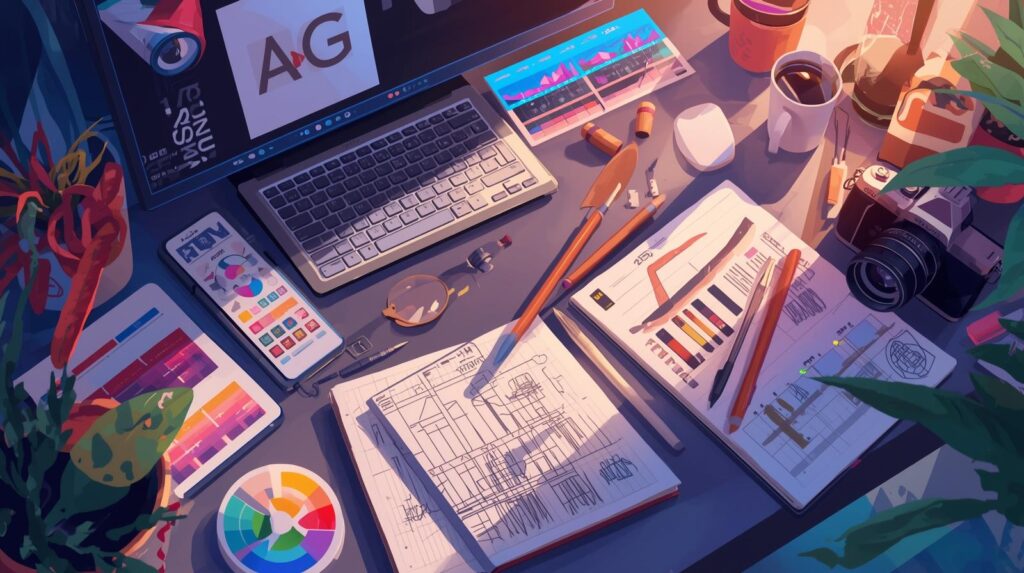

Creative skills involve the ability to create content, ideas, and solutions using imagination, structure, and expression. These skills are used to communicate messages, solve problems, and support digital and non-digital projects. Creative skills are applied in education, media, business, and personal work.
Design, video, and writing are key creative skill areas. Each area involves specific tools, processes, and outcomes. This article explains creative skills, their types, learning paths, applications, challenges, and career relevance.
What Are Creative Skills
Creative skills are abilities used to produce original content or solutions. They involve thinking, planning, and execution.
Creative skills include:
- Idea generation
- Content creation
- Visual communication
- Story development
- Problem handling
These skills support expression and engagement.
Importance of Creative Skills
Creative skills support communication and innovation.
They help:
- Share ideas
- Explain concepts
- Build engagement
- Support branding
- Improve content quality
Creative skills are used across industries.
Types of Creative Skills
Creative skills cover multiple domains.
Design Skills
Design skills involve creating visual content.
They focus on:
- Layout
- Structure
- Color use
- Typography
- Visual balance
Design supports visual communication.
Video Creation Skills
Video skills involve producing visual media.
They include:
- Planning
- Recording
- Editing
- Publishing
Video content supports storytelling.
Writing Skills
Writing skills involve creating text content.
They include:
- Structuring ideas
- Clear expression
- Audience awareness
Writing supports information sharing.
Design Skills Overview
Design skills are used in digital and print media.
Graphic Design
Graphic design focuses on visual communication.
It includes:
- Logos
- Posters
- Social media visuals
- Marketing materials
Graphic design supports branding.
User Interface Design
UI design focuses on digital interfaces.
It includes:
- App layouts
- Website screens
UI design supports usability.
User Experience Design
UX design focuses on user interaction.
It includes:
- Research
- Flow planning
- Testing
UX design supports function.
Design Tools
Design tools support creation.
Common tools include:
- Image editors
- Vector tools
- Layout software
Tools support workflow.
Video Skills Overview
Video skills support media creation.
Video Planning
Planning defines video goals.
It includes:
- Script creation
- Shot planning
Planning supports clarity.
Video Recording
Recording captures visuals and audio.
It involves:
- Camera setup
- Lighting control
- Sound capture
Recording quality affects output.
Video Editing
Editing assembles video content.
It includes:
- Cutting clips
- Adding text
- Audio control
Editing shapes final content.
Video Publishing
Publishing shares content.
Platforms include:
- Websites
- Social platforms
- Learning portals
Publishing reaches audiences.
Writing Skills Overview
Writing supports communication through text.
Content Writing
Content writing creates informational material.
It includes:
- Articles
- Blog posts
- Website text
Content writing supports learning.
Creative Writing
Creative writing focuses on expression.
It includes:
- Stories
- Scripts
- Narratives
Creative writing supports storytelling.
Technical Writing
Technical writing explains processes.
It includes:
- Guides
- Manuals
- Documentation
Technical writing supports understanding.
Copywriting
Copywriting supports promotion.
It includes:
- Marketing messages
- Product descriptions
Copywriting supports persuasion.
Learning Creative Skills
Creative skills are learned through practice.
Skill Awareness
Awareness helps identify interests.
Learners explore:
- Design
- Video
- Writing
Awareness supports focus.
Tool Learning
Tools support skill execution.
Learning includes:
- Software use
- Platform navigation
Tools enable creation.
Practice and Projects
Practice builds skills.
Projects include:
- Design tasks
- Video creation
- Writing assignments
Projects apply learning.
Feedback and Improvement
Feedback supports growth.
It helps identify:
- Improvement areas
- Strength areas
Review supports progress.
Applications of Creative Skills
Creative skills are used across fields.
Education
Creative skills support learning content.
They help create:
- Visual aids
- Educational videos
- Learning material
Education uses creativity.
Marketing and Media
Marketing relies on creative content.
It includes:
- Visual campaigns
- Video ads
- Written content
Creativity supports reach.
Business Communication
Businesses use creative skills.
They support:
- Presentations
- Branding material
Communication supports clarity.
Digital Platforms
Digital platforms require content.
Creative skills support:
- Social media
- Websites
- Online courses
Content drives engagement.
Career Paths Using Creative Skills
Creative skills support many roles.
Designer Roles
Designers work on visuals and interfaces.
They create content for:
- Brands
- Products
- Platforms
Design roles support communication.
Video Creator Roles
Video creators produce media content.
They work on:
- Educational videos
- Promotional media
Video roles support storytelling.
Writer Roles
Writers create text content.
They work on:
- Articles
- Scripts
- Documentation
Writing roles support information flow.
Content Creator Roles
Content creators combine skills.
They use:
- Design
- Video
- Writing
Content creation supports digital presence.
Freelance and Independent Work
Creative skills support independent work.
They allow:
- Project-based income
- Flexible schedules
Creative work supports autonomy.
Challenges in Learning Creative Skills
Learners face challenges.
Skill Consistency
Consistency affects improvement.
Regular practice supports skill growth.
Tool Complexity
Tools require learning time.
Step-by-step learning supports use.
Feedback Handling
Feedback requires openness.
Learning from feedback supports progress.
Time Management
Creative work requires time planning.
Scheduling supports balance.
Creative Skills and Technology
Technology supports creativity.
Digital Tools
Tools enable creation and editing.
Technology improves efficiency.
Online Learning Platforms
Online platforms provide resources.
They offer:
- Tutorials
- Courses
- Practice material
Access supports learning.
Ethics in Creative Work
Ethics guide content creation.
They include:
- Original work
- Source acknowledgment
Ethics support trust.
Measuring Creative Skill Growth
Growth appears through output.
Indicators include:
- Project completion
- Skill improvement
- Feedback response
Progress develops over time.
Long-Term Value of Creative Skills
Creative skills support adaptability.
They help individuals:
- Communicate ideas
- Build content
- Support innovation
These skills apply across roles.
Conclusion
Creative skills involving design, video, and writing support expression, communication, and content creation across education, business, and digital platforms. These skills involve idea development, tool usage, and structured execution.
Through practice, projects, and feedback, individuals can develop creative skills that support career opportunities and personal growth. Creative skills remain relevant in environments that rely on content, communication, and digital interaction.